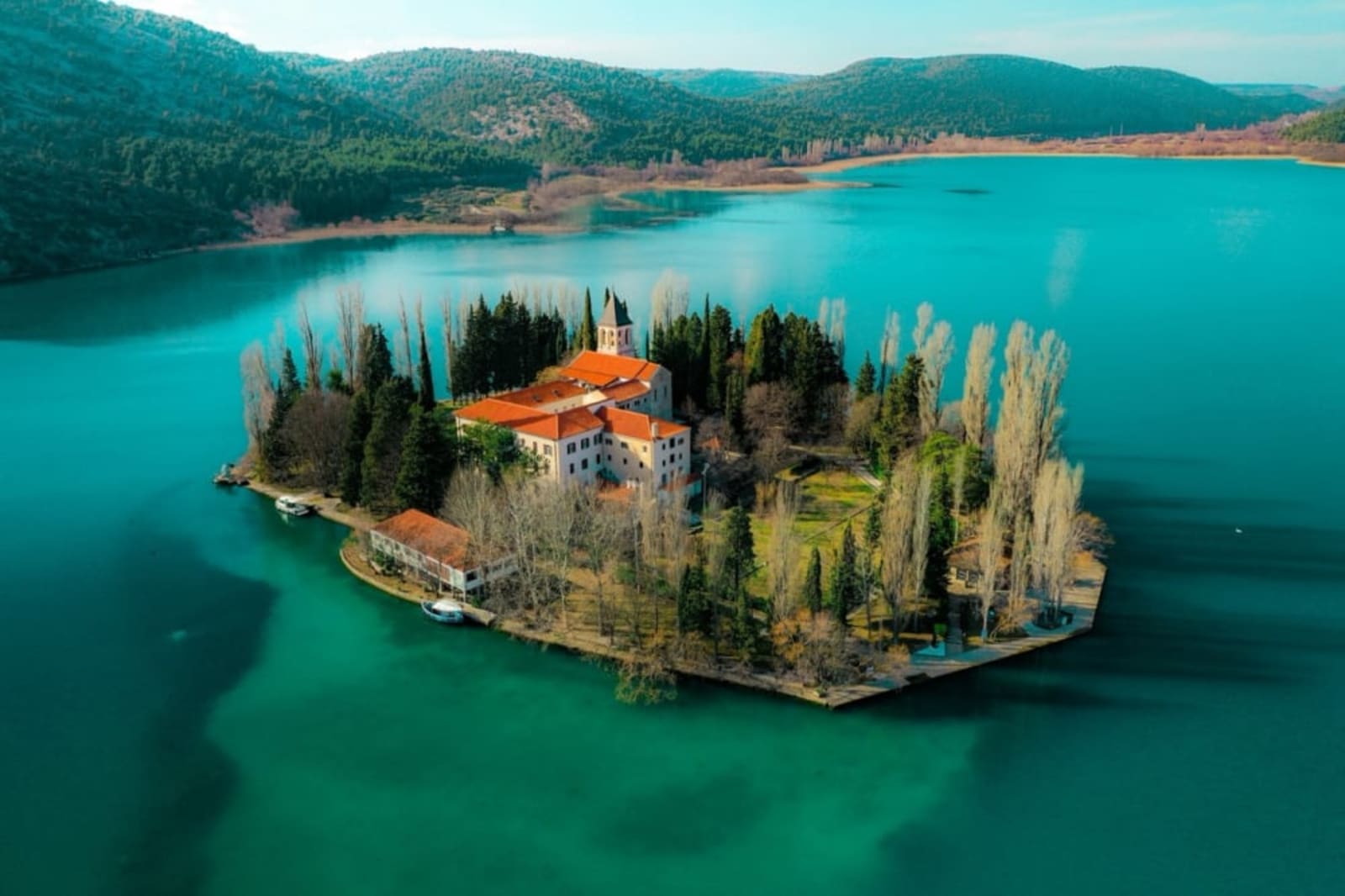
The Balkan "Loop & Leap": A 14-Day May Itinerary
Traveling the Balkans in the May shoulder season is a tactical masterpiece. You catch the lush, vibrant greens of late spring while staying ahead of the sweltering Adriatic heat and the crushing cruise ship crowds of summer.
The secret to this region isn't just where you go, but how you move. Success depends on the "Loop & Leap" strategy: balancing the rugged freedom of a car with the streamlined efficiency of the ferry network.
Trip at a Glance
- Route: Dubrovnik/Cavtat ➔ Kotor ➔ Sarajevo ➔ Dubrovnik ➔ Brač ➔ Split
- Vibe: 40% Road Trip, 30% Mountain History, 30% Island Slow-down.
- Booking Hack: Use Open-jaw flights (Fly into Dubrovnik, out of Split) to eliminate 4+ hours of backtracking.
- The May Advantage: In the July peak, border crossings can balloon to 3 hours. In May? You’re across in 20 minutes.
The "Loop & Leap" Strategy
- The Loop (Days 1–8): Rent a car to navigate the mountainous borders of Montenegro and Bosnia. Opt for a compact car. While an SUV sounds adventurous, you’ll thank yourself when navigating 25-turn switchbacks and tiny, ancient parking lots.
- The Leap (Days 9–14): Ditch the wheels in Dubrovnik. Car ferry tickets are pricey, and parking in Split is a logistical nightmare. Use the fast-catamaran ferry network for a stress-free finish.
The Itinerary
Phase 1: Montenegro Peaks & Coastal Curves
This leg is defined by the dramatic collision of limestone mountains and the turquoise sea.
- The Scenic Slow-Down: The drive from Dubrovnik to Kotor is only 2 hours on paper, but you should take the entire day. Having a car gives you the freedom to ignore the GPS and explore the Bay of Kotor properly.
- Perast Detour: Do not skip this. Park the car and take a 10-minute boat ride to Our Lady of the Rocks, an island church in the middle of the bay.
- Herceg Novi: A great spot for a coffee break and a walk through the Old Town fortress before you dive deeper into the bay.
- The Ascent: Drive the Kotor Serpentine. These 25 legendary switchbacks offer bird’s-eye views of the fjord. At the summit, visit the Mausoleum of Petar II Petrović in Lovćen National Park for a 360-degree "stone sea" panorama.
Phase 2: The Heart of Bosnia
The trek inland toward Sarajevo is a journey through deep history and changing terrain.
- Mostar: A mandatory stop to see the Stari Most (Old Bridge). If you're hungry, order a "national plate" to sample a variety of Bosnian specialties like ćevapi and dolma in one sitting.
- Sarajevo’s Olympic Ghost: Take the cable car from the city center to the abandoned 1984 bobsleigh track. Walking the graffiti-covered concrete curves through the forest is a surreal highlight.
- The History: Spend an afternoon at Gallery 11/07/95. It is a profoundly moving, essential stop for understanding the region’s resilience.
Phase 3: The Dalmatian Finale
Drop the car back in Dubrovnik and trade the asphalt for the Adriatic.
- Dubrovnik: Use a 1-day City Pass to walk the Walls early (8:00 AM). Explore the tucked-away museums in the "Cat Alley" backstreets.
- Island Life (Brač): Take the bus to Makarska to catch the ferry to Brač. Hike to Vidova Gora for a stunning view of the v-shaped Zlatni Rat beach.
- The Final Stop: Before heading to the Split airport, take a local bus to Trogir. It’s a perfectly preserved medieval island town and a much calmer final "goodbye" than the bustle of downtown Split.
The Logistics Toolbox
Car Rental: The Booking.com Edge
In this region, Booking.com is the dominant platform, and that extends to car rentals. We booked Sixt via Booking.com, which offered a seamless experience.
- The Cross-Border Check: Make sure your rental includes the Green Card (insurance document). You must tell the rental desk you are going to Montenegro and Bosnia; they will provide the paperwork for a small fee (usually €30–€50).
- Compact > SUV: Watch for high curbs; lower clearance on compacts makes them prone to floorboard damage, but their size is essential for the Serpentine and narrow Sarajevo streets.
Connectivity: One SIM to Rule Them All
Connectivity can be tricky since Montenegro and Bosnia are not in the EU.
- The "Western Balkans" SIM: If you buy a tourist SIM card in Montenegro (like Telekom or m:tel), most packages now include a specific amount of data for the "Western Balkans" region. This often means your Montenegro data will work in Bosnia and Herzegovina without needing a second card.
- The Airalo Backup: If you prefer an eSIM, Airalo’s Eurolink plan covers almost the entire region, including Croatia, Montenegro, and Bosnia, keeping you connected across every border.
Budgeting: Our "Comfort" Breakdown
Our total was ~€3,000 for two people (13 days). This provided a "comfort" experience: private bathrooms, central stays, and fresh seafood.
| Category | Cost (Total) | Notes |
|---|---|---|
| Flights | €650 | Multi-city "open-jaw" (In: DBV / Out: SPU). |
| Accommodation | €720 | 12 nights; avg €60/night. |
| Transport | €500 | Compact car rental, ferries, and local buses. |
| Dining | €830 | Average of €32 per person, per day. |
| Tours & Fees | €300 | Museum entries, City Walls, and National Park fees. |
Final Thought: The magic of the Balkans lies in the transition—from the Mediterranean salt of the coast to the coffee-scented, history-steeped streets of Sarajevo. By balancing the freedom of a rental car with the ease of the ferries, you get the best of both worlds.