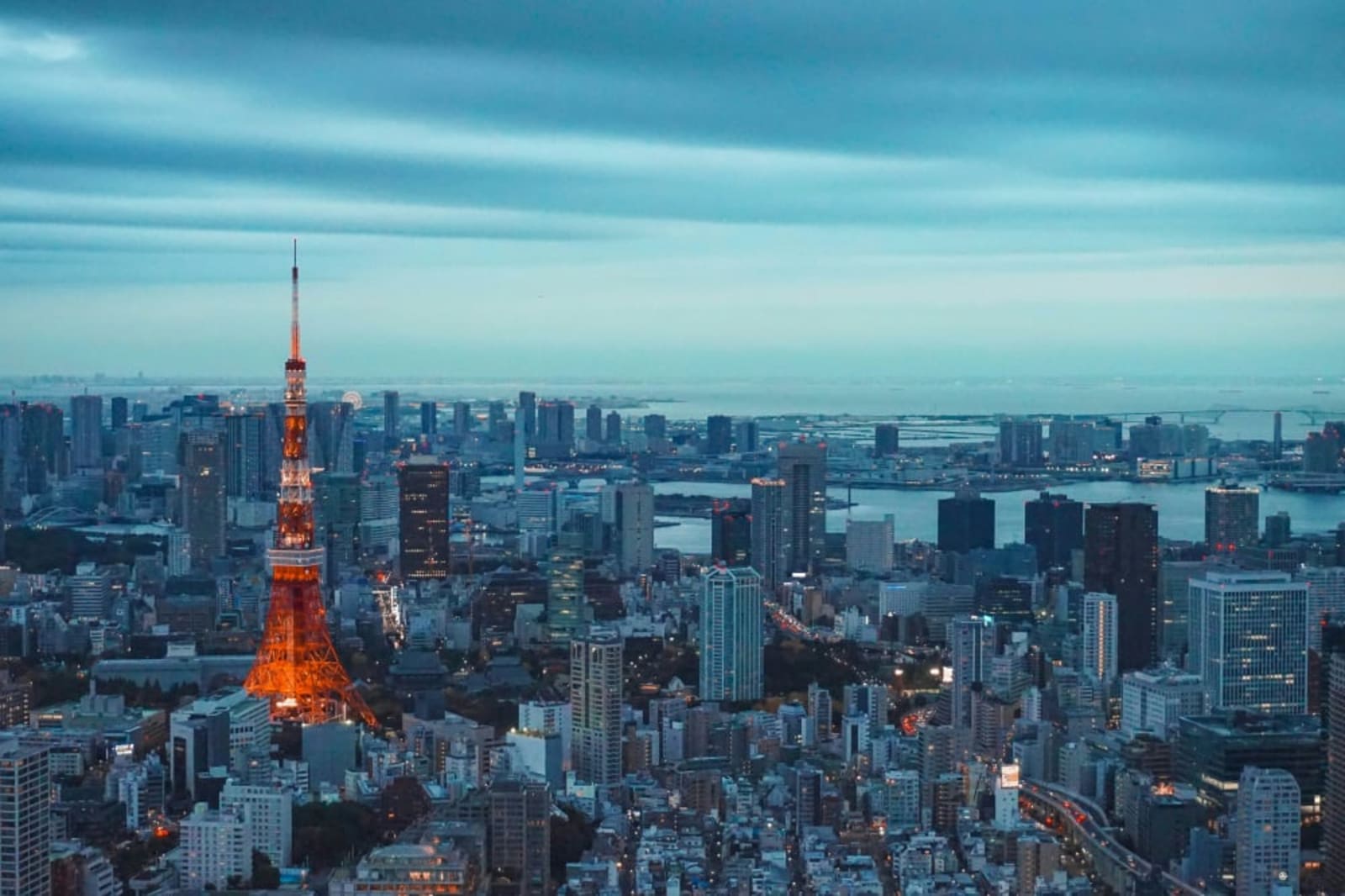
The Most General Guide to Tokyo, Ever
Tokyo: A Love Letter to the City That Never Ends
There is a common mistake first-time visitors make when landing in Tokyo: they try to "see it all."
They sprint from the neon crossings of Shibuya to the ancient gates of Asakusa, squeezing in a themed cafe and a museum before dinner, only to collapse in their hotel room feeling like they’ve seen everything and felt nothing.
Here is my honest opinion: Tokyo is not a "one and done" city. A week isn't enough. A month isn't enough. It is a sprawling, multi-layered organism made of dozens of "mini-cities," each with its own soul. The secret to a successful trip isn't covering all the bases—it’s picking the bases that actually speak to you and saving the rest for your next trip. Because trust me, you will be back.
The Neighborhood Personalities
Tokyo is best understood through its neighborhoods. Each has a "stereotype" or a specific energy. Finding where you fit is the key to not feeling overwhelmed.
- Shinjuku: Tokyo at its loudest. Gritty alleys like Golden Gai offer tiny themed bars, while the skyscrapers tower above. It’s chaotic, exhilarating, and never sleeps.
- Shibuya: High-energy and constantly moving. Home to the Scramble Crossing, it’s where trends are born and the city feels most "alive."
- Akihabara: A sensory overload of multi-story electronics and anime culture. Even if you aren't a fan, the sheer scale of the subculture here is a marvel.
- Asakusa: Traditional, low-rise, and nostalgic. Centered around Senso-ji Temple, it feels like a glimpse into Edo-period Japan.
- Ginza: Sophisticated, expensive, and impeccably clean. Tokyo’s "Old Money" district with world-class architecture and department stores.
- Akasaka: A polished business hub by day that turns into a high-end dining destination by night. Home to the beautiful, quiet Hie Shrine.
Neighborhood Pairings: Wander, Don't Commute
Instead of spending your day underground on the subway, try grouping these neighborhoods together. These "pairings" are within walking distance (or a very short hop) of each other, allowing you to see the city's character shift naturally.
- The "Tradition & Craft" Pair: Asakusa & Ueno Start with the sunrise at Senso-ji, then take a 20-minute walk to Ueno Park. You move from spiritual history to the cultural commons, home to the best national museums and the bustling Ameyoko Market.
- The "Green to Glam" Pair: Harajuku & Omotesando Start in the silent, forested grounds of Meiji Jingu Shrine. Exit the gates into the chaotic, colorful Takeshita Street, then wander into the sophisticated, tree-lined "Champs-Élysées" of Omotesando.
- The "Creative & Cool" Pair: Shibuya & Daikanyama After the Scramble, head toward the backstreets. A 15-minute walk takes you to Daikanyama, the "Brooklyn of Tokyo," home to the stunning T-Site Bookstore and quiet, leafy cafes.
- The "High-End & Art" Pair: Ginza & Roppongi Browse the legendary stationery at Itoya in Ginza, then take a quick 10-minute hop to Roppongi for the Mori Art Museum and the "Art Triangle."
The "Save Your Sanity" Guide: 10 Essential Chains
One of the most overwhelming parts of Tokyo is choosing where to eat or shop. These 10 reliable Japanese chains are high-quality, foreigner-friendly, and located near almost every major station.
| No. | Category | The "Go-To" Chain | Why It’s a Lifesaver |
|---|---|---|---|
| 1 | Convenience | 7-Eleven / Lawson | The "Conbini." Perfect for high-quality snacks (egg sandwiches!), ATMs, and travel essentials. |
| 2 | Stationery | Hands | A DIY wonderland. From high-end pens to skincare and "things you didn't know you needed." |
| 3 | Electronics | Bic Camera | Massive towers for any gadget imaginable, usually offering tax-free shopping for tourists. |
| 4 | Souvenirs | Don Quijote (Donki) | The "chaos" store. Open late, selling everything from Matcha KitKats to luxury luggage. |
| 5 | 100-Yen | Daiso / Can-Do | The best place for cheap, high-quality Japanese souvenirs and travel essentials for about $1. |
| 6 | Ramen | Ichiran / Ippudo | Ichiran is famous for solo booths and custom order slips. Ippudo is the king of creamy Tonkotsu. |
| 7 | Beef Bowls | Yoshinoya / Matsuya | The ultimate 24/7 budget meal. Filling beef and rice bowls (Gyudon) for around ¥500–¥700. |
| 8 | Quick Coffee | Tully's / Doutor | Affordable and reliable. Doutor is the local fast choice; Tully's is a bit cozier for a rest. |
| 9 | Sushi | Sushiro / Kura Sushi | High-tech conveyor belt sushi. Order on a tablet (English available) and plates zoom to you. |
| 10 | Curry | CoCo Ichibanya | The gold standard for comfort curry. Fully customizable spice levels and toppings. |
Pro Tip: Look for the Vending Machine! Many local food chains (especially Ramen and Beef Bowl shops) use a ticket machine at the entrance. You pick your meal, pay, and take the printed ticket to the staff. No Japanese required!
Final Tip: Don't Do It All
If you spend your whole trip on the train just ticking boxes, you’ll leave Tokyo exhausted. Pick one thing you love—whether it's coffee culture, architecture, or stationery—and follow that thread. Let yourself get "stuck" in a neighborhood for a whole afternoon.
Tokyo isn't going anywhere. Leave a few neighborhoods untouched; they'll be your excuse to book your next flight.